Updated
Top 4 Benefits of a Healthy Skin Microbiome: What it Does for You
Your skin microbiome is a microscopic ecosystem of bacteria, fungi and other microorganisms, and far from being mere “germs”, these microbes are vital for your skin’s health and resilience. Here are four benefits of a healthy skin microbiome and how it works to protect your skin.

Contents of this article
Key takeaways from this article
- A healthy skin microbiome protects against harmful bacteria and strengthens your skin barrier, safeguarding against environmental stressors.
- Beneficial microbes calm inflammation, reduce redness, and support healing, promoting smoother and healthier skin.
- Your microbiome enhances hydration by reinforcing your skin’s natural moisture barrier, preventing dryness and irritation.
- Emerging research shows the skin microbiome impacts overall health, linking it to brain function, gut health, and even cardiovascular wellness.
Defends Against Bad Bacteria
Your skin microbiome acts as a living shield, constantly defending you from harmful bacteria, viruses, and other external pathogens. Beneficial bacteria within the microbiome create a protective layer, physically occupying space on your skin and outcompeting harmful bacteria for resources. This reduces the chances of pathogenic bacteria taking hold and causing infections.
When good bacteria detect a threat, they send signals to your immune system to activate a defensive response. This communication leads to the production of antimicrobial peptides, natural compounds that prevent the growth of harmful bacteria before they can damage your skin (Sanford and Gallo, 2013).
Some beneficial bacteria go a step further by directly attacking harmful microbes. These good bacteria produce bacteriocins, highly specialized antimicrobial compounds designed to target and neutralize harmful invaders (Nakatsuji et al., 2017). This biological warfare ensures that your skin remains a hostile environment for pathogens.
A diverse skin microbiome strengthens this defense, as different types of microbes bring unique protective abilities to the ecosystem. Maintaining diversity is key to ensuring your skin is equipped to handle a wide range of potential threats.
Maintains and Reinforces Your Skin Barrier
Your skin barrier is your body’s first line of defense against environmental aggressors like pollution, dirt, and allergens. It also locks in essential moisture, preventing your skin from becoming dehydrated and flaky. The skin microbiome plays a central role in keeping this barrier strong and functional.
Certain bacteria in the microbiome are known to promote ceramide production within your skin. Ceramides are lipid molecules that act like glue, holding your skin cells together to create a tight, protective seal (Zheng et al., 2022). This process prevents transepidermal water loss (TEWL) and keeps your skin hydrated and plump.
In addition to ceramide production, the microbiome supports your skin’s acid mantle, a thin, protective film on the surface of your skin. Beneficial bacteria break down sebum into fatty acids, which lower the skin’s pH and create an acidic environment. This slightly acidic pH is ideal for maintaining barrier function while discouraging the growth of harmful microbes.
Without a balanced microbiome, your skin barrier becomes more vulnerable to environmental stressors, resulting in dryness, irritation, and increased sensitivity.

Calms Inflammation and Soothes Skin
Inflammation is a natural immune response, but when it becomes chronic, it can lead to skin conditions like eczema, rosacea, and psoriasis. A healthy skin microbiome helps regulate these inflammatory responses, ensuring your skin remains calm and balanced.
Beneficial bacteria can prevent the overproduction of immune cells that drive inflammation, essentially acting as peacekeepers within the skin (Ito et al., 2021). These microbes also activate natural anti-inflammatory pathways, producing compounds that work similarly to anti-inflammatory medications but without the side effects. For example, some microbes stimulate the production of lipids and peptides that soothe redness, swelling, and irritation.
By modulating gene expression within your skin cells, the microbiome can also promote faster healing of inflamed or damaged skin. This makes a balanced microbiome essential not only for those with chronic skin conditions but for anyone looking to maintain a smooth, even complexion.
Incorporating microbiome-friendly skincare into your daily routine is an excellent way to nurture these beneficial bacteria and support your skin’s natural ability to manage inflammation.

Supports Overall Health
Emerging research highlights that the skin microbiome doesn’t just affect your skin; it’s deeply connected to your entire body. Scientists are uncovering fascinating links between the skin microbiome and systems such as the brain, gut, and cardiovascular health.
For example, a small 2024 pilot study found that changes in skin bacteria were associated with changes in brain activity, hinting at a possible link between your skin microbiome and the brain, though this research is at a very early stage (Wang et al., 2024). Similarly, the skin-gut axis (an intricate communication network between the skin and gut microbiomes) shows that an imbalance in one can affect the other. Dysbiosis (an imbalance in microbial communities) on the skin has been linked to gut conditions like inflammatory bowel disease, creating a bi-directional relationship between these two ecosystems.
Additionally, researchers are exploring possible connections between skin health and cardiovascular health. Chronic inflammatory skin conditions, which have been linked with an imbalanced skin microbiome (Findley and Grice, 2014), have been associated with higher rates of heart disease: psoriasis, for example, is associated with an increased risk of heart attack and stroke (Armstrong et al., 2013). These conditions may also be linked to faster aging: one study found signs of accelerated aging in gene activity in skin affected by psoriasis, eczema or hidradenitis suppurativa (Jeremian et al., 2025), and research in mice suggests that a damaged skin barrier can raise inflammatory markers in the blood (Hu et al., 2017).
By maintaining a balanced skin microbiome, you may not only improve your skin’s appearance but also support your overall well-being.
Why Microbiome Skincare Matters
Microbiome skincare is specifically designed to nurture the delicate balance of your skin’s ecosystem. By using products that avoid harsh chemicals and instead support the growth of beneficial bacteria, you can strengthen your skin’s defense, improve its barrier function, and reduce inflammation.
Caring for your skin microbiome isn’t just about looking good; it’s about creating a foundation for long-term skin health and resilience. The right skincare routine can ensure that your microbiome thrives, leaving your skin hydrated, calm, and better equipped to handle the challenges of modern life.
Frequently asked questions
How can I tell if my skin microbiome is unbalanced?
Signs include heightened sensitivity, redness, dryness, premature aging or frequent issues like breakouts or irritation.
Why do modern lifestyles affect the skin microbiome?
Pollution, harsh skincare products, over-cleansing, and stress can disrupt the natural balance of skin microbes, weakening the skin's defenses.
What does it mean when the skin microbiome is unbalanced?
An unbalanced microbiome occurs when harmful microbes outnumber beneficial ones, leading to skin issues like sensitivity, dryness, or breakouts.
What are microorganisms?
Microorganisms are tiny living beings, including bacteria, fungi, and viruses, that make up the skin microbiome and contribute to its balance.
What is a microbe?
A microbe is a microscopic organism, such as bacteria, fungi, or viruses, that plays a vital role in protecting and supporting your skin's health.
What can I do to maintain a balanced skin microbiome in my daily life?
You can maintain a healthy skin microbiome by using gentle, microbiome-friendly skincare products, avoiding harsh cleansers or antibacterial soaps, and protecting your skin from over-exfoliation. Spending time in nature, staying hydrated, and eating a balanced diet also contribute to a thriving microbiome.
Are there specific foods or lifestyle habits that can influence my skin microbiome?
Yes, eating a fiber-rich diet with plenty of fruits, vegetables, and fermented foods can support your microbiome. Avoid processed foods and excessive sugar, as they may disrupt microbial balance. Lifestyle habits like spending time outdoors and managing stress also positively influence your skin microbiome.
Can the skin microbiome regenerate if it becomes unbalanced?
Yes, the skin microbiome is dynamic and can recover when given the right conditions. Supporting it with gentle skincare, reducing environmental stressors, and following a microbiome-friendly lifestyle can help restore balance.
Authors

References
- Sanford JA, Gallo RL. Functions of the skin microbiota in health and disease. Seminars in Immunology. 2013;25(5):370-377. https://doi.org/10.1016/j.smim.2013.09.005
- Nakatsuji T, Chen TH, Narala S, et al. Antimicrobials from human skin commensal bacteria protect against Staphylococcus aureus and are deficient in atopic dermatitis. Science Translational Medicine. 2017;9(378):eaah4680. https://doi.org/10.1126/scitranslmed.aah4680
- Zheng Y, Hunt RL, Villaruz AE, et al. Commensal Staphylococcus epidermidis contributes to skin barrier homeostasis by generating protective ceramides. Cell Host & Microbe. 2022;30(3):301-313.e9. https://doi.org/10.1016/j.chom.2022.01.004
- Ito Y, Sasaki T, Li Y, et al. Staphylococcus cohnii is a potentially biotherapeutic skin commensal alleviating skin inflammation. Cell Reports. 2021;35(4):109052. https://doi.org/10.1016/j.celrep.2021.109052
- Wang PC, Rajput D, Wang XF, et al. Exploring the possible relationship between skin microbiome and brain cognitive functions: a pilot EEG study. Scientific Reports. 2024;14(1):7774. https://doi.org/10.1038/s41598-024-57649-z
- Findley K, Grice EA. The skin microbiome: a focus on pathogens and their association with skin disease. PLoS Pathogens. 2014;10(11):e1004436. https://doi.org/10.1371/journal.ppat.1004436
- Armstrong EJ, Harskamp CT, Armstrong AW. Psoriasis and major adverse cardiovascular events: a systematic review and meta-analysis of observational studies. Journal of the American Heart Association. 2013;2(2):e000062. https://doi.org/10.1161/JAHA.113.000062
- Jeremian R, Galati M, Fotovati R, et al. Investigating transcriptional age acceleration in inflammatory skin diseases. JID Innovations. 2025;5(5):100386. https://doi.org/10.1016/j.xjidi.2025.100386
- Hu L, Mauro TM, Dang E, et al. Epidermal dysfunction leads to an age-associated increase in levels of serum inflammatory cytokines. Journal of Investigative Dermatology. 2017;137(6):1277-1285. https://doi.org/10.1016/j.jid.2017.01.007


Shop Hydrolytic®
-
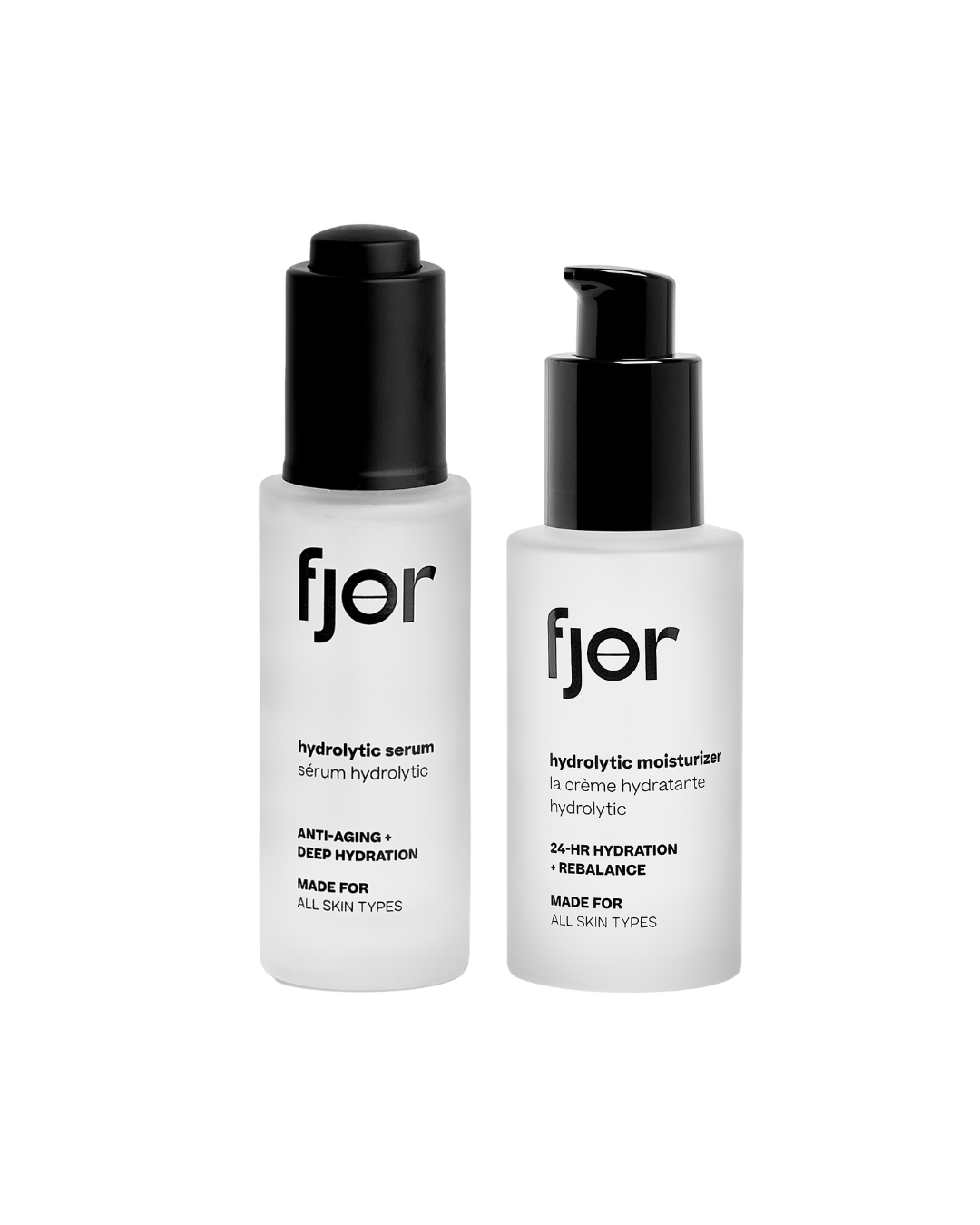
Complete daily calm + hydration
£148.00
or £118.40 with subscription£165.0030ml + 30ml -
Daily body hydration + smoothing
£65.00200ml
or £52.00 with subscription -
Complete calm + hydration, face to body
£179.00
or £143.20 with subscription£230.0030ml + 30ml + 200ml -
Complete calm + smart aging, face to body
£140.00
or £112.00 with subscription£175.0030ml + 200ml