Your cart is empty.
Continue ShoppingUpdated
The Ultimate Guide to Seborrheic Dermatitis: Causes, Treatments, and Prevention
Seborrheic dermatitis, often shortened to seb derm or SD, is one of the most misunderstood skin conditions: a chronic condition that causes redness, flaking and irritation, especially on the face. This guide covers its causes and triggers, treatment options, gentle skincare and the diet and lifestyle factors involved, with a focus on the skin microbiome.

Contents of this article
- What Is Seborrheic Dermatitis?
- How Does Seborrheic Dermatitis Start?
- How Do You Know If You Have Seborrheic Dermatitis?
- Does Diet Affect Seborrheic Dermatitis?
- Is Seborrheic Dermatitis Caused by Stress?
- How to Treat Seborrheic Dermatitis on the Face
- What Is the Best Skincare for Seborrheic Dermatitis?
- What Is the Best Cleanser for Seb Derm?
- Serums and Moisturizers for Seb Derm
- Conclusion
- Frequently asked questions
Key takeaways from this article
- Seborrheic dermatitis is a chronic condition influenced by an imbalance in the skin microbiome, excess sebum production, and an overgrowth of Malassezia yeast.
- Both fungal and bacterial shifts contribute to inflammation, making microbiome-friendly skincare essential for long-term management.
- Diet, stress, and lifestyle factors play a significant role in triggering and worsening flare-ups.
- Gentle cleansing, barrier-supporting ingredients, and antifungal treatments can help keep symptoms under control.
- While there is no permanent cure, consistent skincare and lifestyle adjustments can significantly reduce flare-ups and improve skin health.
What Is Seborrheic Dermatitis?
Seborrheic dermatitis is a chronic inflammatory condition primarily affecting oily areas of the skin, such as the face, scalp, and chest (Dall'Oglio et al., 2022). Its roots lie in a complex interplay of factors: an imbalance in the skin microbiome, an overgrowth of yeast (Malassezia), and inflammatory responses triggered by a compromised skin barrier (Jackson et al., 2024). The condition is more prevalent in adults, with men having double the risk, possibly due to higher androgen levels influencing sebum production.
Globally, roughly 1 in every 23 individuals may be affected, with the highest rates reported in South Africa and the lowest in India (Polaskey et al., 2024). Understanding the underlying causes of seborrheic dermatitis is key to selecting the right treatment.
How Does Seborrheic Dermatitis Start?
Seborrheic dermatitis begins with a combination of skin microbiome imbalances, excess oil production, and an overactive immune response. Understanding seb derm causes and seb derm triggers is key to managing the condition effectively.
The 5-stage process of seborrheic dermatitis development
- Increased Sebum Production: Oily areas of the skin, such as the scalp, face, and chest, create the perfect environment for yeast and bacteria to thrive.
- Malassezia Overgrowth: This naturally occurring yeast proliferates in lipid-rich areas, fueling an imbalance in the skin microbiome.
- Lipase Activity & Free Fatty Acids: Malassezia secretes lipases that break down sebum into free fatty acids, which irritate the skin and trigger inflammation (DeAngelis et al., 2005).
- Immune System Overreaction: The body's defense system overreacts, causing keratinocyte (skin cell) proliferation and weakening the skin barrier.
- Visible Symptoms Appear: Redness, scaling, and itching develop, characteristic of seb derm.
Seborrheic dermatitis is primarily fungal, but bacteria also play a role in its development.
However, research shows that seb derm is also influenced by bacterial imbalances.
Studies have found an increase in Staphylococcus and a reduction in Cutibacterium, which contribute to skin barrier damage and worsen symptoms (Tao et al., 2021). This confirms that seb derm is driven by both fungal and bacterial shifts.
Managing the condition effectively involves controlling sebum production, balancing the skin microbiome, and reducing inflammation, all of which help regulate seb derm yeast overgrowth and minimize flare-ups.
What is Malassezia and how does it cause seborrheic dermatitis?
Malassezia is a naturally occurring yeast (type of fungus) found on everyone’s skin. In people with seborrheic dermatitis, the balance of Malassezia species shifts, and Malassezia is linked to more itching and more severe disease (Tao et al., 2021). The amount of yeast alone does not explain who develops symptoms; how sensitive a person’s skin is to its by-products also matters (DeAngelis et al., 2005).
This yeast thrives in oily areas like the scalp, face, and chest, where it breaks down sebum into free fatty acids, irritating the skin and leading to redness, flaking, and itching (DeAngelis et al., 2005).
Research shows that an imbalance in the skin microbiome (where Malassezia overgrowth is paired with a weakened skin barrier) plays a key role in seb derm flare-ups (Tao et al., 2021).
How Do You Know If You Have Seborrheic Dermatitis?
Typical seborrheic dermatitis symptoms on the face include:
- Red, scaly patches around the nose, eyebrows, and forehead.
- Flaking that might resemble dandruff but extends beyond the scalp.
- Itchiness or a burning sensation, particularly after using harsh skincare products. These symptoms are often confused with seb eczema or other conditions like eczema, psoriasis, or rosacea.
What’s the difference between seborrheic dermatitis and other skin conditions?
Understanding the differences is crucial.
- Seb Derm vs. Eczema: Eczema generally results in dry, cracked skin; seb derm is more oily and flaky.
- Seb Derm vs. Psoriasis: Psoriasis tends to present with thicker scales on elbows, knees, and other extensor areas.
- Seb Derm vs. Rosacea: Rosacea features redness and visible blood vessels, often without the flaky appearance.
- Seb Derm vs. Dandruff: Dandruff is typically limited to the scalp, whereas seb derm can affect the face, beard, and eyelids.
Does Diet Affect Seborrheic Dermatitis?
Many ask, does diet affect seborrheic dermatitis? Research is still limited, but in one large study a high fruit intake was linked to less seborrheic dermatitis, and a "Western" dietary pattern was linked to more of it in women (Sanders et al., 2019). What you eat may influence seb derm flare-ups, as certain foods contribute to inflammation, disrupt the gut-skin connection, and affect sebum production. If you're struggling with persistent symptoms, adjusting your diet may help manage the condition more effectively.
Worst foods for seborrheic dermatitis
- Dairy Products: Many wonder, does dairy make seborrheic dermatitis worse? There is little research on dairy and seb derm, but some people find their skin reacts to it.
- Refined Sugar & Processed Foods: High sugar intake disrupts gut health, contributes to seb derm and sugar intake issues, and fuels inflammation. Processed foods loaded with artificial additives can also worsen symptoms.
- Gluten-Containing Foods: While not everyone with seb derm has gluten intolerance, some people notice improvements when reducing gluten in their diet.
- Alcohol: Most studies in a recent systematic review found an association between regular alcohol use and seborrheic dermatitis (Woolhiser et al., 2024). These studies cannot show that alcohol causes flare-ups, but cutting back may be worth trying.
- Coffee & Caffeinated Beverages: There is no research linking coffee to seb derm, but some people find that cutting back on caffeine helps them.
- Experimentation is Key: The impacts of specific foods vary person to person. It’s best to find what works for you by testing and experimenting.
Best foods for seborrheic dermatitis
An anti-inflammatory diet can help reduce seb derm triggers and promote skin health.
- Omega-3 Fatty Acids: Found in salmon, flaxseeds, and walnuts, omega-3s help regulate oil production and reduce inflammation.
- Probiotic-Rich Foods/ Fermented Foods: Yogurt, kimchi, sauerkraut, and kefir support gut health, which is linked to skin health.
- Vitamin D: Ensuring adequate vitamin D levels may help regulate the immune response and skin barrier function.
By making mindful dietary choices, you can support both gut and skin health, helping to reduce seb derm flare-ups naturally.
Does drinking water help seb derm?
Hydration is a key component of overall skin health.
Staying well-hydrated helps support the skin barrier and maintains optimal oil production.
While drinking water alone won’t cure seb derm, it is an essential part of a holistic approach to managing the condition.
Is Seborrheic Dermatitis Caused by Stress?
Yes, stress-related seb derm flare-ups are common: in one study, patients named stress as the main trigger of their episodes, and a stressful event came before most flare-ups (Misery et al., 2007). Stress may also affect immune function and slow skin barrier repair. Research in mice shows that psychological stress, acting through stress hormones, reduces the skin’s production of barrier lipids and slows barrier recovery (Choi et al., 2005). While stress alone isn’t the cause, it plays a major role in triggering and worsening the condition.
- Stress may affect immune function, which could make it easier for Malassezia yeast to trigger inflammation.
- Seb derm and stress levels are linked, and some people notice their skin gets oilier when they are stressed.
- Poor sleep, often linked to stress, may affect the body’s ability to repair the skin, prolonging symptoms.
- Managing stress through relaxation techniques, quality sleep, and lifestyle changes can help reduce flare-ups and improve skin health.
The time it takes to clear seborrheic dermatitis depends on the severity of the condition and how well it's managed.
Mild cases may improve within a few days to a couple of weeks with the right treatment, while chronic or severe cases can take longer to control.
Consistent use of microbiome-friendly skincare and anti-inflammatory lifestyle changes can help speed up recovery.
While symptoms can be managed effectively, seb derm tends to be a recurring condition, so ongoing maintenance is key to keeping flare-ups under control.
How to Treat Seborrheic Dermatitis on the Face
Managing seb derm on the face is all about balancing the skin microbiome and reducing inflammation:
- Adopt microbiome-supporting skincare: Use products that work with your skin rather than against it.
- Keep the skin barrier intact: Gentle cleansing is critical. Avoid harsh cleansers that strip natural oils, and opt for products that maintain the balance of oil production.
- Prioritize hydration: Using a moisturizer that supports the skin barrier is key.
- Modify lifestyle factors: Reduce stress, ensure adequate sleep, and maintain a healthy diet to support both gut and skin health.
- Don't remove natural oils: You may think that purging the skin of all its oils will help it to prevent yeast overgrowth. This will disrupt the skin barrier further and allow pathogenic microbes to proliferate. Look after your good bacteria and they will do the work for you.
What Is the Best Skincare for Seborrheic Dermatitis?
The best overall approach to skincare for seb derm is one that centers two principles:
- Supporting and rebalancing your skin’s microbiome
- Rebuilding the skin barrier
Rather than using aggressive treatments that can further disrupt the natural balance, a microbiome-friendly regimen promotes skin health and resilience over time. This means choosing products that are gentle, non-stripping, and formulated to work in harmony with your natural skin flora.
What Is the Best Cleanser for Seb Derm?
Supporting good bacteria is key to managing seborrheic dermatitis long-term. Instead of harsh cleansers that strip the skin, the goal is to create an environment where beneficial microbes can thrive while keeping Malassezia in check. A balanced microbiome helps regulate oil production, strengthen the skin barrier, and reduce inflammation, all key factors in preventing seb derm flare-ups.
- Water & a Microfiber Cloth: Using just water and a microfiber cloth provides gentle exfoliation without damaging the skin barrier or disrupting the microbiome. This method avoids unnecessary stripping of natural oils, allowing the skin to find its natural balance in oil production.
- Micellar Cleansing Water: Products like Garnier or CeraVe’s micellar water are easily accessible and among the most gentle cleansers available. They effectively remove impurities without the harshness found in some traditional cleansers. (When in doubt, check ingredient safety apps like Yuka to ensure a product is microbiome-friendly.)
- Rice Wash Bar (Beauty of Joseon): This K-beauty cleansing bar is a mild cleanser that uses rice components to help support and nourish the skin microbiome while gently cleansing away impurities.
Serums and Moisturizers for Seb Derm
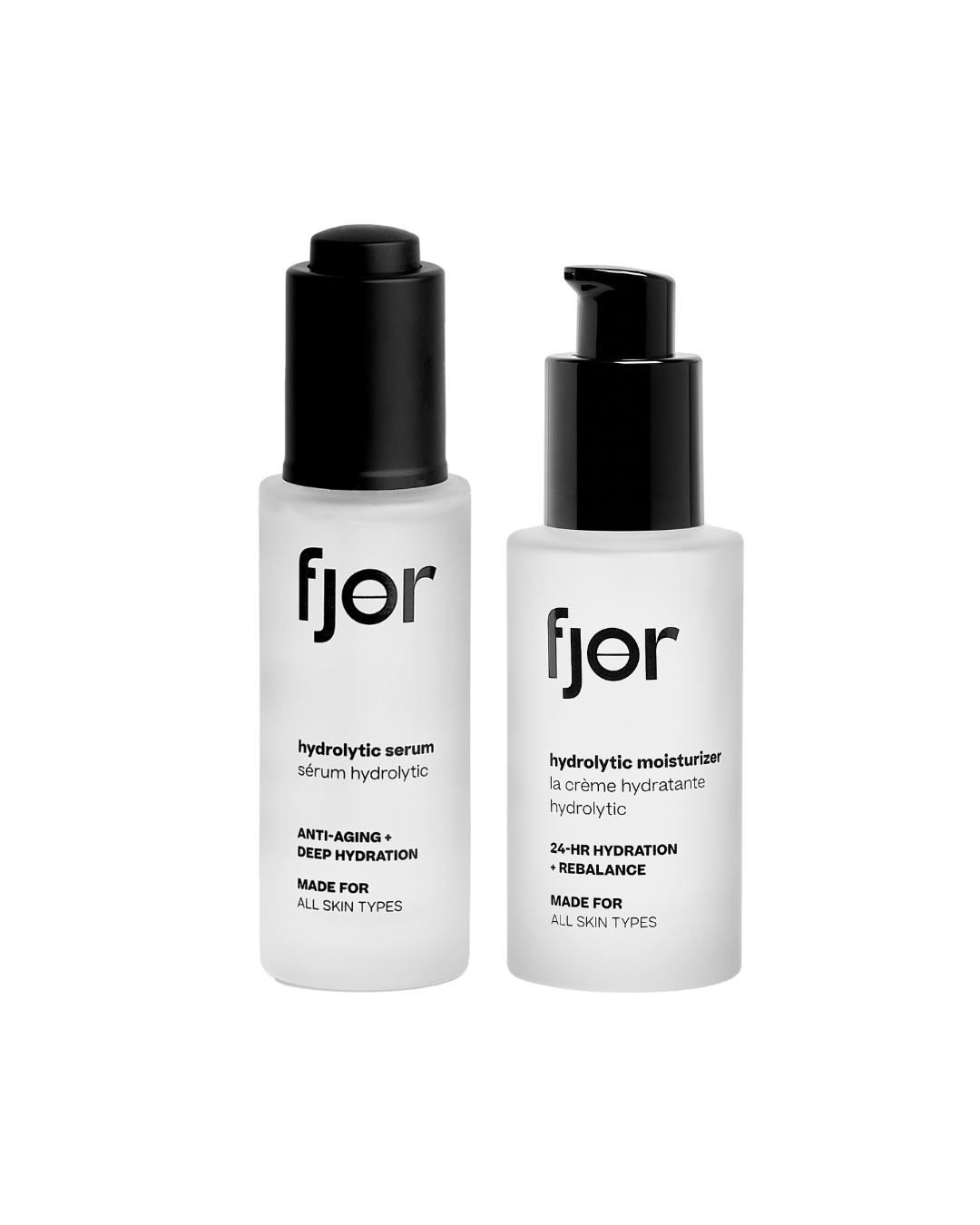
The same two principles apply to the rest of your routine. Look for a serum and a moisturizer that are gentle and non-stripping, that support the skin barrier, and that deliver hydration without clogging pores, so the skin stays balanced and resilient against environmental triggers.
Skincare can support comfortable, balanced skin, but it is not a treatment for seborrheic dermatitis. If your symptoms persist, spread or are painful, speak to a doctor or dermatologist.
Conclusion
Seborrheic dermatitis is a chronic condition, but it is highly manageable with the right approach.
By choosing gentle, microbiome-friendly skincare and cleansing, and supporting your body through a healthy diet and lifestyle, you can significantly reduce flare-ups and maintain balanced, resilient skin.
Remember, when the microbiome thrives, so does your skin.
Frequently asked questions
What is fjör?
fjör is a microbiome skincare brand from Scandinavia, made to support skin health by supporting microbiome diversity. Using Hydrolytic® Enzyme technology, fjör takes a minimalist approach to sensitive skin, focusing on resilience, hydration and balance.
Is Seborrheic Dermatitis contagious?
No, seborrheic dermatitis is not contagious. It is linked to Malassezia yeast and imbalances in the skin microbiome, not to direct transmission from person to person.
Can Seborrheic Dermatitis spread to other parts of the body?
Yes, seb derm can affect more than just the scalp and face. It commonly appears on the chest, back, ears, and even in skin folds where oil production is high.
Does Seborrheic Dermatitis go away on its own?
Seborrheic dermatitis is a chronic condition, meaning it tends to recur. While flare-ups can subside, long-term management is usually necessary to keep symptoms under control.
Are there hormonal triggers for Seborrheic Dermatitis?
Yes, seb derm is more common in men, possibly due to higher androgen levels increasing sebum production. Hormonal fluctuations, such as during puberty or pregnancy, can also influence flare-ups.
Can using too many skincare products make Seborrheic Dermatitis worse?
Yes, over-cleansing or using harsh skincare products can disrupt the skin barrier, worsening symptoms. A minimalist, microbiome-friendly approach is best.
Can Seborrheic Dermatitis be linked to autoimmune conditions?
While seb derm itself is not an autoimmune disease, it is more common in individuals with weakened immune systems or other inflammatory conditions, such as psoriasis.
Can probiotics help with seborrheic dermatitis?
Yes, gut health is linked to skin health, and probiotics may help by improving the overall balance of bacteria in the body, reducing systemic inflammation that can contribute to seb derm.
Authors

References
- Tao R, Li R, Wang R. Skin microbiome alterations in seborrheic dermatitis and dandruff: a systematic review. Experimental Dermatology. 2021;30(10):1546-1553. https://doi.org/10.1111/exd.14450
- Dall'Oglio F, Nasca MR, Gerbino C, et al. An overview of the diagnosis and management of seborrheic dermatitis. Clinical, Cosmetic and Investigational Dermatology. 2022;15:1537-1548. https://doi.org/10.2147/ccid.s284671
- Jackson JM, Alexis A, Zirwas M, et al. Unmet needs for patients with seborrheic dermatitis. Journal of the American Academy of Dermatology. 2024;90(3):597-604. https://doi.org/10.1016/j.jaad.2022.12.017
- Polaskey MT, Chang CH, Daftary K, et al. The global prevalence of seborrheic dermatitis: a systematic review and meta-analysis. JAMA Dermatology. 2024;160(8):846-855. https://doi.org/10.1001/jamadermatol.2024.1987
- DeAngelis YM, Gemmer CM, Kaczvinsky JR, et al. Three etiologic facets of dandruff and seborrheic dermatitis: Malassezia fungi, sebaceous lipids, and individual sensitivity. Journal of Investigative Dermatology Symposium Proceedings. 2005;10(3):295-297. https://doi.org/10.1111/j.1087-0024.2005.10119.x
- Sanders MGH, Pardo LM, Ginger RS, et al. Association between diet and seborrheic dermatitis: a cross-sectional study. Journal of Investigative Dermatology. 2019;139(1):108-114. https://doi.org/10.1016/j.jid.2018.07.027
- Woolhiser E, Keime N, Patel A, et al. Nutrition, obesity, and seborrheic dermatitis: systematic review. JMIR Dermatology. 2024;7:e50143. https://doi.org/10.2196/50143
- Misery L, Touboul S, Vinçot C, et al. Stress and seborrheic dermatitis [in French]. Annales de Dermatologie et de Vénéréologie. 2007;134(11):833-837. https://doi.org/10.1016/s0151-9638(07)92826-4
- Choi EH, Brown BE, Crumrine D, et al. Mechanisms by which psychologic stress alters cutaneous permeability barrier homeostasis and stratum corneum integrity. Journal of Investigative Dermatology. 2005;124(3):587-595. https://doi.org/10.1111/j.0022-202x.2005.23589.x
Contents of this article
- What Is Seborrheic Dermatitis?
- How Does Seborrheic Dermatitis Start?
- How Do You Know If You Have Seborrheic Dermatitis?
- Does Diet Affect Seborrheic Dermatitis?
- Is Seborrheic Dermatitis Caused by Stress?
- How to Treat Seborrheic Dermatitis on the Face
- What Is the Best Skincare for Seborrheic Dermatitis?
- What Is the Best Cleanser for Seb Derm?
- Serums and Moisturizers for Seb Derm
- Conclusion
- Frequently asked questions
Authors