Your cart is empty.
Continue ShoppingUpdated
The Ultimate Skincare Routine for Dry Skin: Best Practices for a Hydrated, Glowing Face
Dry, flaky skin does not need a long, complicated routine. This guide covers what causes dryness on the face, the key pillars of a simple dry skin routine and the products we recommend.

Contents of this article
Key takeaways from this article
- Dry skin on the face most often shows on the sides of the nose, the forehead and the hairline.
- Causes range from dry climates, hot showers and harsh soaps to medical factors such as thyroid issues, deficiencies and some medications.
- Keep your routine simple, one or two steps, and focus on barrier health: a stronger barrier means less water loss (TEWL).
- Choose glycerin-based, fragrance-free products with short ingredient lists, and be cautious with aggressive acids and over-exfoliation.
- Wear a broad-spectrum SPF every day, even if your skin is dry.

Are you tired of dehydrated or flaky skin? Does it hold you back and limit you in your everyday life? Have you tried many products and are frustrated that managing them is difficult? We have good news for you: your dry skin routine can be simple by following these key pillars. We will also run you through our dry skin skincare routine order and the best moisturizer for dry skin.
If you're struggling with dry skin on your face, you're not alone. At fjör, we have spent years researching and understanding the problem of dry skin and the best dry skin routine. We have customized our products and approach to allow you to refind your glow and confidence. Here is what we have learned.
Common areas affected by dry skin on the face
The most common occurrences of dry skin are on the sides of the nose and dry skin on the forehead or hairline. If you want to learn more about what the symptoms are for dehydrated and flaky skin then you can visit our favorite skin health source.
What causes dry skin on the face?
Dry skin on the face can be caused by a variety of environmental, lifestyle, and medical factors. You might notice your skin becoming dry when you're in a dry climate or exposed to indoor heating, traveling to low-humidity areas, or spending time in environments like airplanes with dry air. Swimming in chlorinated pools, excessive sun exposure, wind, and cold weather can also strip moisture from your skin. Additionally, using harsh alkaline soaps, taking frequent long, hot showers, or coming into contact with irritants or allergens can exacerbate dryness. Dehydration is another common contributor.
On the medical side, dry skin can be linked to underlying conditions such as skin disorders, thyroid or endocrine issues, vitamin or mineral deficiencies, and certain medications. It's important to identify and address these factors to effectively manage and prevent dry skin.
Our top tips for dry skin care
Dry skin care routines should be simple
Dry skin is solved with simple but effective routines of 1 or 2 steps. It is never solved by over-complication with long routines and multiple ineffective products.
A dry skincare routine should build barrier health
When it comes to fixing dry skin, your skin barrier is your best friend. Why is this? Because the stronger your skin barrier is, the lower your TEWL (Trans Epidermal Water Loss) is. TEWL means how much water your skin loses through the upper layers. If you have a high TEWL then your skin will dehydrate quickly. If you have a low TEWL your skin will retain moisture and glow. Use only products that support your skin barrier and hence your TEWL.
Choose glycerin-based products
Whichever products you choose, you need to ensure they have the highest possible moisturizing effect. This should be the case for not only your moisturizer but also your serum, cleanser, and toner. We prefer products based on glycerin. Glycerin is a humectant that attracts moisture from the air into the skin. This is the most effective way to hydrate your skin.
Be cautious with aggressive toners, cleansers, and exfoliators
The regeneration of the epidermis is important to achieve glowing skin from dry skin. The exfoliation of the outer layers of skin allows fresher, more moisturized layers to reach the surface, giving you a glassy look. However, it is easily possible to do too much. Over-exfoliation will degrade your skin barrier and let water escape the skin. This can be caused by using too much retinol or alpha and beta hydroxy acids (glycolic acid, lactic acid, and mandelic acid). These exfoliators are often found in cleansers and exfoliation products. They can strip the top layers of your skin, which weakens your skin’s water barrier.
For exfoliators, we much prefer enzymes. They are more precise and gentle, only removing what is necessary. That is why we developed the Hydrolytic® enzyme. Our proprietary enzyme gently exfoliates, removing only dead cells, in a way that helps skin hold on to moisture and supports microbiome balance.
Avoid harsh chemicals and long ingredient lists
Harsh chemicals and overly complicated products with long ingredient lists can do more harm than good. Many of these products contain irritants like alcohol, fragrances, and sulfates that can strip your skin of its natural oils, leading to further dryness and irritation. To stabilize these ingredients, formulators use preservatives and pH balancers, which have no benefit and sometimes negative effects on the skin. Instead, opt for products with simple, gentle formulations. Look for labels with a short list of ingredients you can easily recognize. Prioritize clean, nourishing components like ceramides, hyaluronic acid, and natural oils that are known to soothe and hydrate without overwhelming your skin.
Keeping it simple helps maintain the balance your dry skin craves, allowing it to recover and retain moisture more effectively. You can also use the Yuka app to check the ingredient lists. All of fjör’s products are built on short ingredient lists.
Avoid fragrances
Fragranced products can irritate your dry skin as they are often allergens. If the fragrance includes alcohol, it can actually dry your skin out further.
Use suncare in your dry skincare routine
Incorporating daily SPF into your skincare routine is crucial, even if you have dry skin. Sun exposure can weaken your skin's barrier, leading to increased dryness and damage. By using a broad-spectrum sunscreen every day, you protect your skin from harmful UV rays, preventing further moisture loss and preserving your skin’s health and hydration.
Frequently asked questions
What are some lifestyle changes that can improve dry skin?
Incorporating more water into your diet, eating foods rich in omega-3 fatty acids, and using a humidifier at home can improve dry skin. Avoiding smoking and limiting alcohol consumption can also have a positive impact on skin hydration.
Are there any ingredients I should avoid if I have dry skin?
Yes, those with dry skin should avoid ingredients that can be overly drying or irritating, such as alcohol, sulfates, and strong exfoliants like glycolic acid. Opt for products with hydrating ingredients like the Hydrolytic enzyme, hyaluronic acid, glycerin, and ceramides.
How does diet affect dry skin?
A diet rich in water, healthy fats, and antioxidants can support skin hydration and health. Foods like avocados, nuts, seeds, and leafy greens are particularly beneficial for dry skin.
How can I prevent dry skin while traveling?
To prevent dry skin while traveling, especially on flights, carry a travel-sized moisturizer and apply it frequently. Drink plenty of water, and use a hydrating mist to refresh your skin. Avoid using harsh hotel soaps and stick to your regular skincare routine as much as possible.
How can I prevent dry skin during winter?
To prevent dry skin during winter, moisturize regularly with a rich, hydrating moisturizer and use a humidifier to add moisture to the air. Avoid hot showers, which can strip your skin's natural oils, and choose gentle, fragrance-free skincare products. Protect your skin outdoors with sunscreen and cover your face with a scarf against harsh winds. Staying hydrated by drinking water and wearing soft, breathable clothing can also help keep your skin healthy and hydrated.
Can dry skin lead to other skin problems?
Yes, untreated dry skin can lead to other issues like irritation, itching, redness, and even eczema. Maintaining proper hydration is essential to prevent these secondary skin problems.
What is the best serum for dry skin?
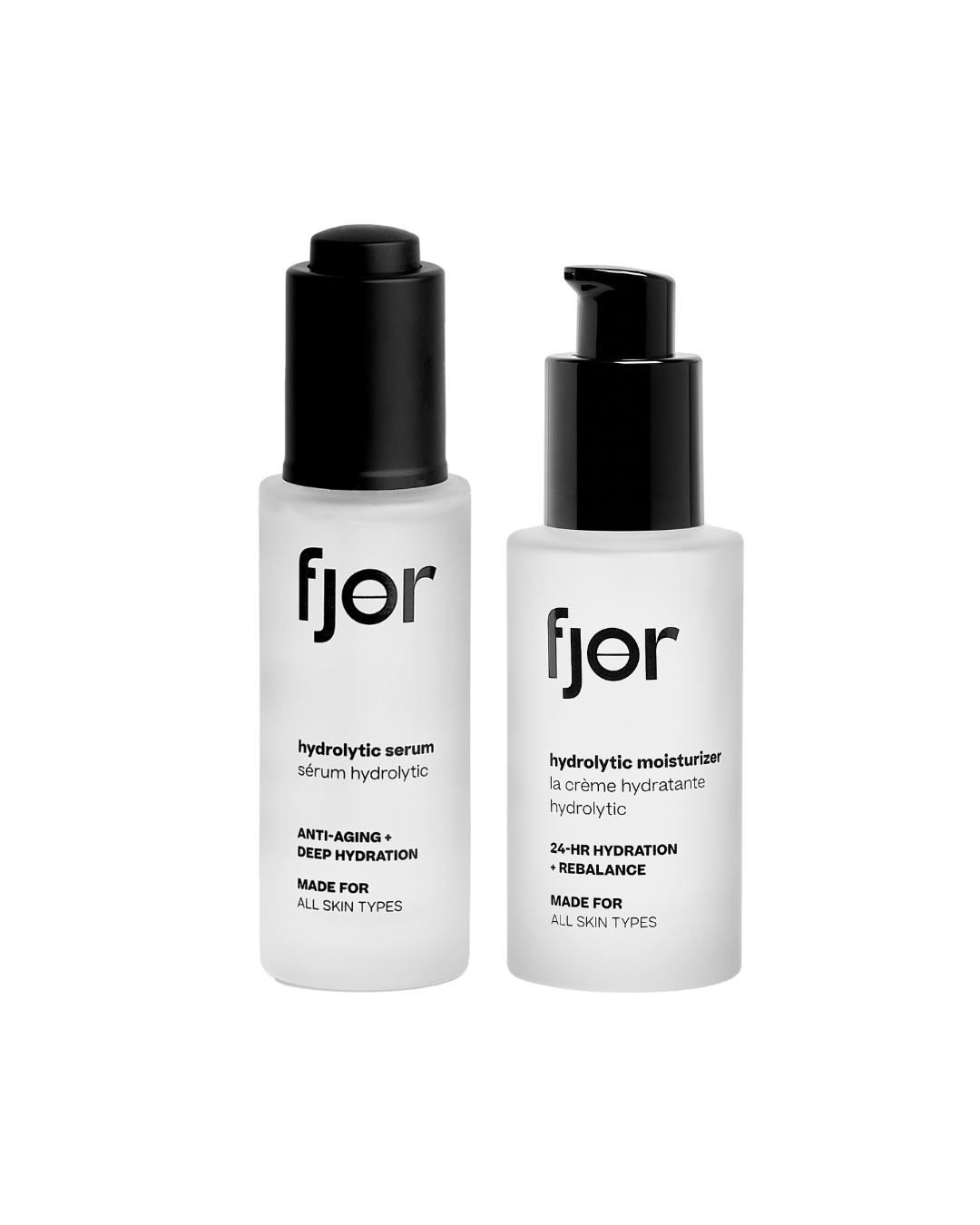
Our Hydrolytic® Serum offers deep hydration, gentle exfoliation and support for microbiome balance. In an in vivo clinical study, it showed a 2.5x moisturizing effect compared with standard serums.
What is the best moisturizer for dry skin?
Our Hydrolytic® Moisturizer is the one we recommend for dry skin. It delivers long-lasting hydration and supports microbiome balance while strengthening the skin's natural barrier.
What is the best cleanser for dry skin?
At fjör, we are in the process of developing our Hydrolytic Cleanser. It is not yet available. That being said, we believe gentle cleansers without harsh exfoliators like alpha and beta hydroxy acids are the best. If you cannot find anything gentle enough, use simple water and a microfiber cloth.
Why the Hydrolytic enzyme is the best ingredient for dry skin skincare?
The Hydrolytic enzyme is the hero ingredient for dry skin and the result of 30+ years of enzyme research by Dr Mats Clarsund at Lund University.
The Hydrolytic enzyme supports your skin barrier, supports microbiome balance and gently exfoliates dead cells. The enzyme uses the skin’s natural processes to achieve this, which means it is very gentle and can protect the skin during the process.
Combining the Hydrolytic enzyme with other hydrating ingredients creates products that work well for dry skin.
Authors