Your cart is empty.
Continue ShoppingSkin Health
••Updated
Skin in the City: Pollution
We all know how pollution affects the environment, but it also affects your skin. Here is how air pollutants interact with skin, and what you can do about it.

Contents of this article
Key takeaways from this article
- According to new World Health Organization data, almost everyone on the planet (99%) breathes air that exceeds air quality limits.
- Pollutants from vehicle emissions, fuel combustion, industry, waste management and agriculture can build up on skin with prolonged exposure, and not only in cities.
- Pollution affects skin by generating free radicals, triggering inflammation that breaks down collagen and elastin, and disrupting the skin microbiome.
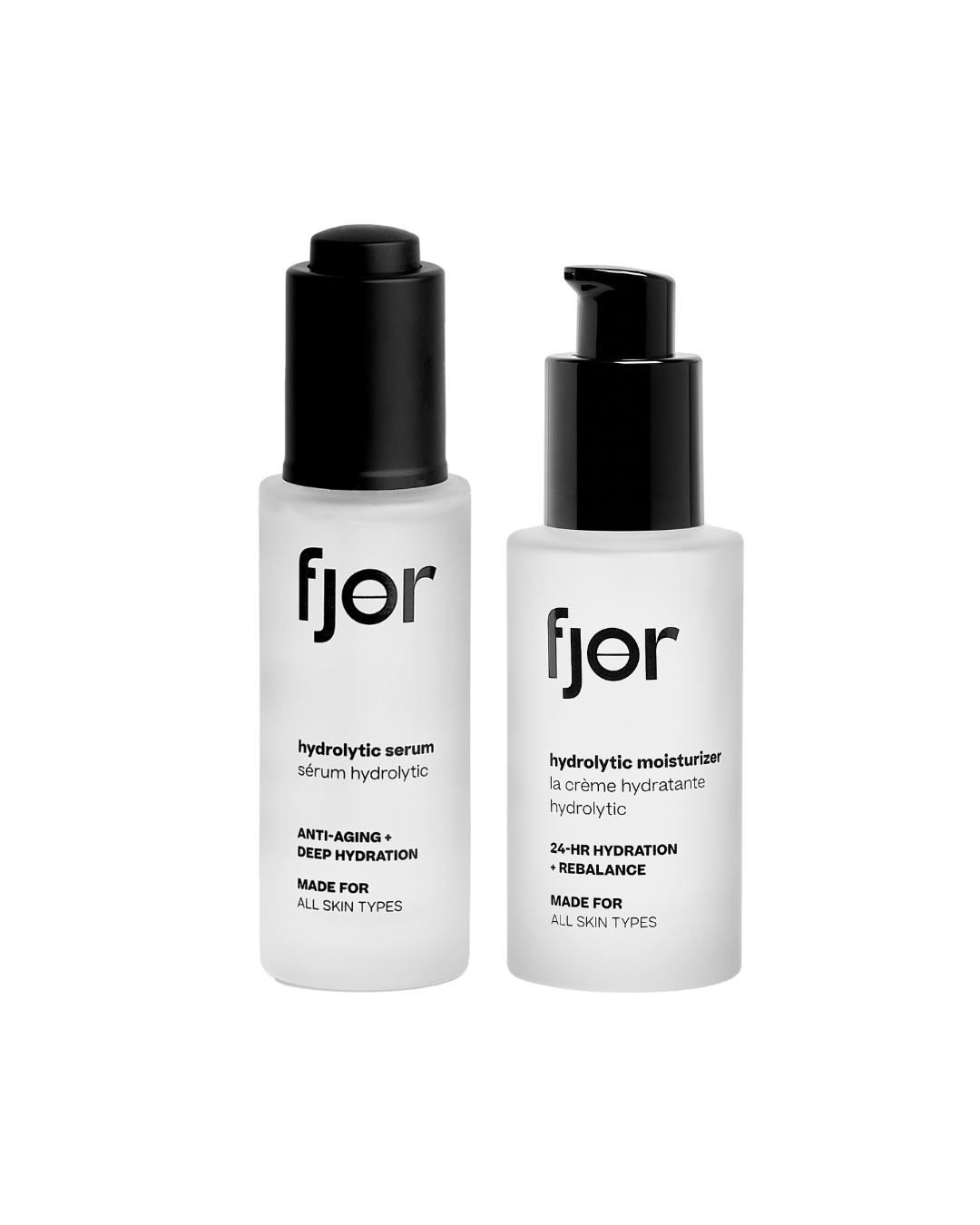
- The fjör Hydrolytic® Serum supports the skin’s natural barrier and microbiome balance, hydrates, and gently exfoliates.
Let’s talk about pollution and your skin, and what you can do about it. We all know how pollution affects the environment, but have you ever considered how it impacts your skin? As temperatures rise and summer approaches, we need to be more aware of how to protect our skin from pollution in major cities.
The truth is that pollution can wreak havoc on your skin, causing damage that can lead to premature aging, irritation and other skin problems. Our busy city lifestyles, traveling on busy subway lines or walking traffic-congested streets, leave us highly exposed to this threat. Living in “clean” western cities may lead us to believe that we are exempt from the impacts of pollution; however, that could not be further from the truth.
New data from the World Health Organization shows that almost everyone on the planet (99%) breathes air that exceeds air quality limits and threatens their health. Pollutants such as carbon monoxide, nitrogen dioxide and sulfur dioxide are all outputs of vehicle emissions and fuel combustion. While these emissions are limited by law, their effects on your skin can build up with prolonged exposure. Other pollutants such as lead, ozone and PM2.5 can come from various industrial activities, waste management and agricultural activities, and are not only present in densely populated areas.
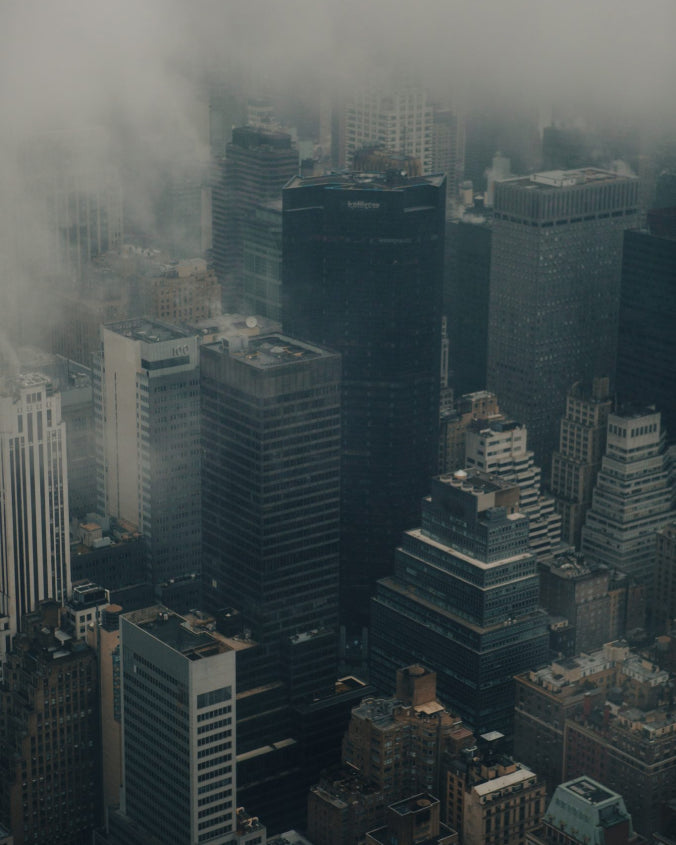
How Does Pollution Impact Your Skin?
These air pollution particles interact negatively with our skin in a variety of ways.
- Generation of free radicals: pollutants interact with our skin, oxidizing molecules that allow the skin to function, causing skin dysfunction.
- Causing skin inflammation: pollutants cause the skin to send signals to cells to produce self-destruct enzymes. These chemicals break down your collagen and elastin, causing visible impacts.
- Negative impacts on the skin microbiome: skin contains a sensitive balance of bacteria that helps keep skin healthy. Pollutants interrupt this balance, depleting good bacteria and proliferating harmful bacteria.
What Can You Do About It?
This may all sound bleak, but there is a lot you can do. The fjör Hydrolytic® Serum is designed to help protect your skin. The serum supports your skin’s natural barrier against pollutants throughout the day. The Hydrolytic® enzyme helps deactivate harmful bacteria on the skin while keeping the skin’s natural microbiota thriving. It helps calm redness, supports the skin’s natural barrier and deeply hydrates the skin. It is also a mild exfoliant that gently removes dead cells from the skin’s surface, leaving the skin smooth, fresh and radiant.

The Hydrolytic® Serum
Daily repair + renewal
Frequently asked questions
How does pollution affect your skin?
Pollutants generate free radicals that cause skin dysfunction, trigger inflammation that breaks down collagen and elastin, and disrupt the skin microbiome by depleting good bacteria.
Is pollution only a problem for skin in big cities?
No. Pollutants such as lead, ozone and PM2.5 come from industrial activities, waste management and agriculture, and are not only present in densely populated areas.
How many people breathe polluted air?
According to World Health Organization data, almost everyone on the planet (99%) breathes air that exceeds air quality limits.
Authors

Contents of this article
Authors